
Illinois residents enjoy robust protections against robocalls through strict Spam Call Laws enforced by specialized Spam Call law firm Illinois. These laws require explicit consent for automated telemarketing calls, allowing consumers to sue and hold telemarketers accountable. Key indicators of spam calls include frequent unknown numbers, unsolicited messages, and repeated disinterest. Documenting calls and consulting the Spam Call law firm is crucial for legal action. The firm offers guidance on call metadata, TCPA damages, and blocking technologies. Registering for the Do Not Call list, app-based blocking, and reporting spam to FTC further protect against robocalls. Illinois' strong consumer privacy laws, enforced by the Attorney General's Office, empower residents to take action against offending companies.
In today's digital era, Illinois residents, like many across the nation, face a persistent problem: an overwhelming number of unwanted robocalls. These automated phone calls, often considered intrusive and frustrating, can stem from various sources, including telemarketers, scammers, or even marketing campaigns. While Illinois has implemented a Spam Call law to protect consumers, navigating these regulations can be complex. This article serves as your comprehensive guide, clarifying your rights and empowering you with the knowledge needed to combat this modern nuisance. Our expert team at [Spam Call law firm Illinois] is dedicated to assisting residents in understanding and asserting their consumer rights.
Understanding Illinois' Spam Call Laws: A Consumer's Guide

Illinois consumers have a powerful tool at their disposal when it comes to combating unwanted robocalls—the state's strict Spam Call Laws. These regulations, enforced by a dedicated Illinois Spam Call law firm, offer significant protections for residents dealing with aggressive or deceptive telemarketing practices. At the heart of these laws is the recognition that unwanted phone calls can be more than an inconvenience; they can invade personal privacy and lead to financial harm.
The Illinois Spam Call Laws specifically target automated telephone marketing calls, often referred to as robocalls, that are made without prior express consent. These laws empower consumers with the right to sue for damages if they receive such calls. A key aspect is the definition of "prior express consent," which requires telemarketers to obtain explicit permission from consumers before making automated calls. This means simply saying "no" or opting out during an initial interaction should prevent future robocalls, according to the law. For instance, a consumer who declines a call from a charity cannot be deluged with subsequent spam calls from various organizations.
However, navigating these laws can be complex, and Illinois residents often require legal guidance to understand their rights fully. A dedicated Spam Call law firm in Illinois is equipped to assist consumers in filing complaints, seeking damages, and holding telemarketers accountable. With the proliferation of robocalls nationwide, such specialized firms play a vital role in ensuring that consumers' rights are protected under the state's stringent Spam Call Laws.
Identifying Robocalls: What to Look Out For in Illinois
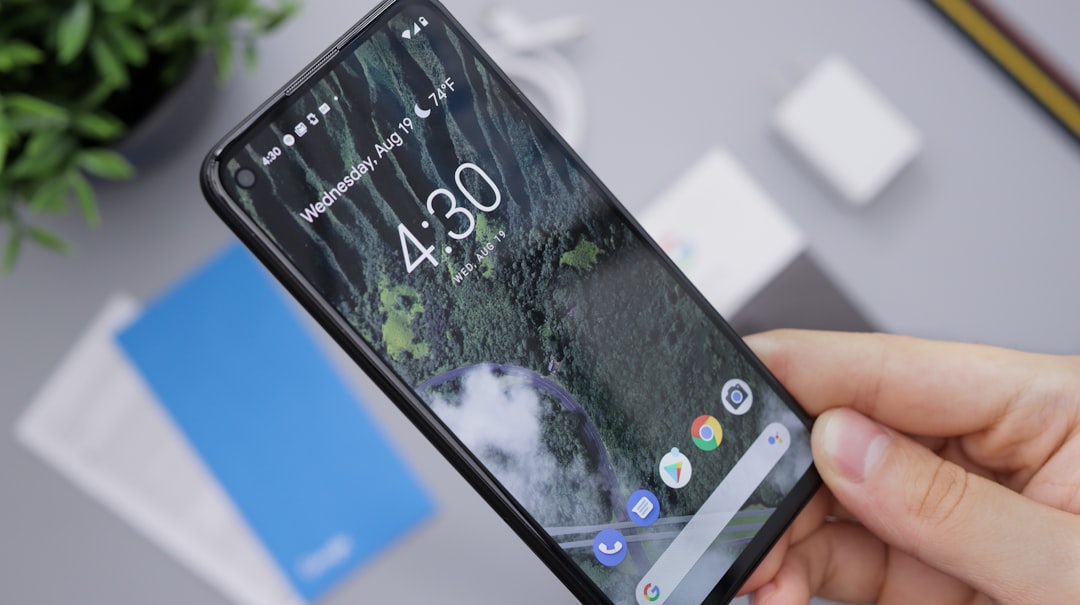
In Illinois, identifying robocalls involves recognizing patterns and understanding the legal framework designed to protect consumers. Robocalls, automated calls made en masse using pre-recorded messages, are often associated with telemarketing, debt collection, or political campaigns. To discern these automated calls from legitimate ones, residents should look for certain indicators: frequent calls from unknown numbers, messages promoting products or services without prior interaction, and repeated calls even after expressing disinterest. According to the Federal Communications Commission (FCC), over 48 billion spam calls were reported in the U.S. in 2021, highlighting the urgency of consumer protection.
Illinois' Spam Call law firm, with a deep understanding of state and federal regulations, advises consumers to scrutinize call metadata. This includes noting the caller's ID, timing of calls (e.g., off-peak hours), and any unique patterns in ringtone sequences. Additionally, suspicious calls should be documented, including dates, times, and content. These details can prove invaluable when filing complaints with relevant authorities or seeking legal counsel from specialized firms like ours. By keeping a log, residents can more effectively combat unwanted robocalls and leverage available legal remedies under the Telephone Consumer Protection Act (TCPA).
Practical advice for Illinois consumers includes registering their phone numbers on the National Do Not Call Registry and utilizing app-based call blocking tools. However, these measures are not foolproof against sophisticated spammers. That's where our Spam Call law firm in Illinois steps in, offering expert guidance tailored to state laws. We assist clients in understanding their rights under the TCPA, which provides for substantial damages in cases of unauthorized automated calls. Our goal is to empower consumers, ensuring they can take proactive steps to minimize robocalls and protect their privacy.
Legal Recourse: How a Spam Call Law Firm Can Help Illinois Residents

In Illinois, residents now have robust legal protections against unwanted robocalls thanks to the state's strict Spam Call law. When these intrusive calls persist despite a clear indication of disinterest, it's crucial to understand that consumers possess several avenues for recourse. One of the most effective strategies is to consult with a specialized Spam Call law firm Illinois. These firms leverage their expertise and resources to not only stop the deluge of robocalls but also secure compensation for the inconvenience caused.
Illinois' Spam Call law, enacted to protect consumers from nuisance calls, grants residents the right to sue for damages and injunctive relief. A Spam Call law firm Illinois plays a pivotal role in navigating this legal landscape. They employ strategies such as filing lawsuits against the culprits, negotiating settlements, and representing clients before regulatory bodies. For instance, successful cases have resulted in substantial fines against violators, effectively deterring similar future actions.
The benefits of engaging a Spam Call law firm Illinois are manifold. These firms stay abreast of the latest legal developments and use advanced blocking technologies to safeguard clients from unwanted calls. They also provide valuable peace of mind by addressing the emotional distress often associated with persistent robocalls. Moreover, they offer expert advice on how to handle similar situations in the future, empowering individuals to protect themselves more effectively.
Blocking and Reporting: Effective Strategies Against Robocallers in IL

In Illinois, consumers have robust protections against robocalls thanks to both state and federal laws, notably the Spam Call law firm Illinois has been instrumental in enforcing these rights. Blocking and reporting are powerful strategies that empower individuals to reclaim control over their phone lines from relentless robocallers. Understanding these methods is crucial for effective defense against unwanted calls.
Illinois' robust Do Not Call registry plays a pivotal role. By registering your number, you signal a clear preference for no telemarketing calls. This simple step can significantly curb the volume of robocalls received. Moreover, Illinois law allows consumers to block specific numbers manually within their phone settings or by utilizing third-party call blocking apps. These tools identify and prevent incoming calls from known spam sources.
Reporting is another critical component in combating robocallers. The Federal Trade Commission (FTC) receives millions of complaints annually regarding unwanted telemarketing calls. When consumers collectively report these calls, it helps identify patterns and trends, enabling law enforcement to take targeted action against violators. Additionally, many states, including Illinois, have dedicated call blocking and consumer protection programs that offer guidance and support in managing robocalls.
To maximize effectiveness, consider combining these strategies. Register for the Do Not Call registry, invest in a robust call-blocking app, and report suspect calls to relevant authorities. By adopting these measures, Illinois residents can significantly reduce their exposure to robocalls and enjoy greater peace of mind during their daily interactions on the phone.
Protecting Your Privacy: Illinois' Role in Combating Unwanted Calls

Illinois has taken significant steps to protect its residents from unwanted robocalls, with a particular focus on preserving privacy rights. The state's robust consumer protection laws, including its Spam Call law firm Illinois, play a pivotal role in mitigating the nuisance and potential harm caused by unsolicited telephone marketing calls. By empowering individuals to take action against these persistent intrusions, Illinois is making strides in creating a safer and more peaceful environment for its citizens.
At the heart of these efforts lies the Illinois Consumer Fraud and Deceptive Business Practices Act, which prohibits unfair or deceptive acts in commerce. This legislation provides consumers with legal recourse against companies engaging in spam calls, allowing them to file complaints and seek damages. Moreover, the state's Attorney General's Office actively enforces these laws, investigating and prosecuting businesses that violate consumer rights, particularly regarding robocalls. For instance, a recent case involved a national telemarketing company fined for making thousands of illegal robocalls, demonstrating the office's commitment to curbing such practices.
Practical advice for Illinois residents includes registering their phone numbers on the state's Do Not Call list and blocking known spam callers. Additionally, utilizing call-blocking apps or services can significantly reduce the volume of unwanted calls. By combining these measures with the existing legal framework, consumers can effectively protect their privacy and reclaim control over their communication channels. As a result, Illinois is not only offering a model for other states to follow in combating robocalls but also ensuring that its residents enjoy enhanced peace of mind.