
Illinois residents face a surge in robocalls and spam texts, with 40 billion unwanted calls annually and high complaint rates. While legitimate businesses use automated systems, malicious actors target fraud and identity theft. Robust legal protections exist, prohibiting automated calls without consent. Countermeasures include:
– Registering on the National Do Not Call Registry.
– Using call-blocking apps and being cautious online.
– Reporting unwanted calls to robocall lawyers in Illinois and the FTC.
– Sharing information within communities and staying informed about scams.
In today’s digital age, robocalls and spam texts have become a pervasive and irritating nuisance for many Illinois residents. These automated communications, often delivering unwanted marketing messages or fraudulent schemes, can disrupt daily life and pose significant risks to personal information security. As such, it’s crucial to equip folks with effective strategies to mitigate these incessant intrusions. This article, authored by robocall lawyers Illinois who’ve dedicated their practice to consumer protection, offers a comprehensive guide filled with actionable tips designed to help residents regain control over their communication channels and protect themselves from malicious activities.
Understanding Robocalls and Spam Texts in Illinois
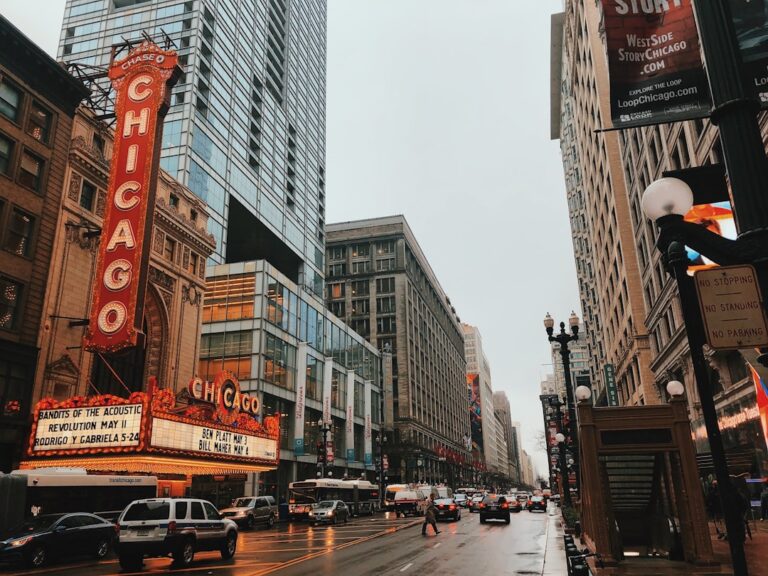
Robocalls and spam texts have become a significant nuisance for many Illinois residents, with an estimated 40 billion unwanted calls made annually across the state. Understanding these persistent threats is crucial to developing effective countermeasures. In Illinois, robocalls often take the form of automated phone calls promoting various products or services, while spam texts are unsolicited messages sent via text messaging, typically advertising deals or requesting personal information. These practices can be particularly insidious due to their high volume and lack of personalization, making them difficult for individuals to ignore.
According to recent data from the Federal Communications Commission (FCC), Illinois ranks among the top states in the nation for robocall complaints per capita, highlighting the scale and impact of this problem on local residents. Moreover, spam texts have seen a surge in popularity as scammers exploit the accessibility and affordability of text messaging services. Robocall lawyers Illinois emphasize that while many legitimate businesses use automated dialing systems to reach customers, malicious actors often employ similar tactics to perpetrate fraud or identity theft. Recognizing these differences is essential for consumers to protect themselves effectively.
To combat this issue, Illinois residents can take several proactive steps. First, consider registering your phone number on the National Do Not Call Registry, which restricts telemarketing calls. Additionally, staying informed about current scams and sharing that knowledge within communities can significantly reduce the effectiveness of spam texts and robocalls. Consulting with a robocall lawyer in Illinois can also provide valuable insights into legal protections available against such activities. By combining technological tools like call-blocking apps and vigilant consumer practices, individuals can reclaim control over their communication channels and better protect themselves from these relentless digital invaders.
Legal Rights Against Robocallers: Illinois Laws

In Illinois, residents have specific legal rights when it comes to dealing with robocalls and spam texts. The state has implemented robust legislation to protect consumers from unsolicited telephone marketing calls, often referred to as robocalls, and text messages that fall into the category of spam. These laws empower individuals to take action against persistent or abusive callers, offering a sense of control over their communication channels.
Illinois law prohibits automated telephone equipment from dialing numbers in such a manner as to indicate that any charge will be incurred by the recipient for answering such calls. This includes robocalls made without prior consent. Furthermore, it is illegal for businesses or individuals to use automatic dialers to send unsolicited text messages, often used for marketing purposes, known as spam texts. Consumers have the right to request exclusion from these calls and texts, and there are severe penalties for non-compliance. A key aspect of this is the requirement for companies to obtain explicit consent before initiating automated calls or sending text messages for promotional purposes.
Robocall lawyers in Illinois play a crucial role in helping residents assert their rights under these laws. They guide individuals on blocking unwanted calls and texts, providing legal advice tailored to state regulations. With the ever-evolving nature of telemarketing tactics, staying informed about one’s rights is essential. Consumers can take proactive steps by reviewing privacy settings on their devices, registering with the National Do Not Call Registry, and reporting excessive or harassing robocalls to relevant authorities. This collective effort not only safeguards personal privacy but also contributes to a more regulated and consumer-friendly communication environment.
Blocking and Avoiding Unwanted Calls and Messages

In Illinois, like many other states, robocalls and spam texts have become a pervasive nuisance. While some calls may offer legitimate services or information, countless others are intended to manipulate, mislead, or extract money from unsuspecting recipients. To combat this growing issue, individuals must arm themselves with effective strategies for blocking and avoiding unwanted calls and messages. One powerful tool at your disposal is the National Do Not Call Registry, which allows you to prevent most telemarketing calls. However, given the sophisticated methods employed by robocall lawyers Illinois and spammers, it’s crucial to go beyond simple registration.
Implementing robust call-blocking technology is a practical step in shielding yourself from robocalls. Many smartphones come equipped with built-in call-blocking features or allow for the installation of third-party apps that identify and block suspicious numbers. Regularly reviewing and updating your device’s caller ID blacklists ensures maximum protection. Additionally, configuring your phone settings to silently ignore unknown numbers or redirect them to a voicemail service can significantly reduce the number of unwanted interactions. Remember, though, that spammers are adept at changing their tactics, so staying vigilant is essential.
For text messages, enabling message filtering and blocking through your service provider or utilizing specialized apps offers substantial protection against spam. These tools analyze message content and sender information to automatically filter out known spam sources. Reporting unwanted texts to both your carrier and relevant regulatory bodies also plays a critical role in combating spam. Furthermore, being cautious about the information you share online—including on social media platforms—is paramount, as spammers often gather personal details for targeted marketing or fraudulent activities. By combining these strategies, Illinois residents can reclaim control over their communication channels and minimize exposure to robocalls and spam texts.
Strategies from Robocall Lawyers Illinois for Protection

In the relentless onslaught of robocalls and spam texts, Illinois residents face a persistent challenge. According to recent data from the Federal Trade Commission (FTC), Illinois ranks among the states with the highest number of consumer complaints related to unwanted telemarketing calls and text messages. To counter this, robocall lawyers in Illinois offer strategic solutions tailored to protect consumers’ privacy and peace of mind.
Robocall lawyers in Illinois emphasize the importance of proactive measures. One effective strategy is signing up for the National Do Not Call Registry. This federal list restricts telemarketers from contacting registered numbers. However, it’s crucial to note that this registry doesn’t stop all robocalls, as some calls may originate from entities not adhering to these rules. Here, Illinois-based lawyers advocate for a multi-layered approach. They recommend utilizing specialized apps and tools designed to block or at least identify and filter out spam calls and texts. For instance, applications like Robocall Sniper or CallGuard offer robust protection by learning patterns and blocking known spam sources.
Moreover, robocall lawyers in Illinois urge consumers to be vigilant. Scrutinize call and text metadata; unusual sender IDs, misspelled words, or generic greetings can indicate a spam attempt. Reporting unwanted calls to the FTC isn’t just helpful for tracking trends; it also enables authorities to take action against persistent violators. Lastly, consider sharing your number sparingly, especially on public platforms, to limit exposure to spammers. By combining these strategies, Illinois residents can significantly enhance their protection against robocalls and spam texts.
Reporting Robocalls: Your Role in Combating Spam

In the ongoing battle against robocalls and spam texts, individuals in Illinois play a crucial role by actively participating in the reporting process. When you receive a suspected robocall or unwanted text message, documenting and filing a report is not just an act of personal inconvenience; it’s a valuable contribution to a larger effort to combat fraudulent activities. According to recent data from the Federal Trade Commission (FTC), millions of Americans still fall victim to robocalls each year, highlighting the imperative need for collective action.
Illinois residents can take charge by utilizing resources provided by local and national regulatory bodies. One effective step is to report these calls or texts to the FTC through their DoNotCall.gov website. By providing detailed information about the caller, including the number and nature of the interaction, you contribute to a comprehensive database that helps robocall lawyers Illinois and regulatory agencies track patterns and take appropriate legal action. Additionally, many states, including Illinois, have dedicated consumer protection divisions within their attorney general’s offices, where residents can file complaints related to spam or fraudulent calls. These reports serve as vital pieces of evidence in investigations aimed at holding perpetrators accountable.
Beyond individual actions, community efforts through local consumer advocacy groups and online forums play a significant role in staying informed about emerging scams. Sharing experiences and strategies within these networks enables everyone to stay ahead of the curve. For instance, recognizing common call patterns or suspicious text content can help neighbors and peers make informed decisions on how to best protect themselves. Collaborating with like-minded individuals not only fosters a sense of community resilience but also strengthens the collective ability to fight spam and robocalls effectively.