
Understanding Robocalls and Spam Laws in Illinois

In Illinois, robocalls and spam are regulated by state and federal laws designed to protect residents from unwanted communications. The Telephone Consumer Protection Act (TCPA) at the federal level prohibits automated calls made to mobile phones and landlines without prior consent. Additionally, Illinois has its own Do Not Call law that specifically targets telemarketers and robocallers. This law allows residents to register their phone numbers on a statewide Do Not Call list, restricting marketing calls from various sources, including law firms.
Understanding these laws is crucial when it comes to preventing robocalls and spam. Illinois residents can take proactive measures by registering their numbers on the state's Do Not Call list, which significantly reduces the volume of unsolicited calls. Moreover, being aware of one's rights under the TCPA empowers individuals to file complaints against violators, holding both call centers and law firms accountable for abusive practices.
Identifying and Reporting Unwanted Calls

Recognizing unwanted calls is the first step in protecting yourself from robocalls and spam. Pay attention to suspicious phone numbers, especially those with long area codes or local numbers that don't match any known contacts. Be wary of calls promoting products or services you haven't requested, demanding immediate action, or using threatening language.
If you receive a robocall or spam text in Illinois, don’t hang up – it might be a critical clue for tracking the source. Instead, note down the caller ID information and report these calls to the Federal Trade Commission (FTC) using their Do Not Call registry. Additionally, consider informing local law enforcement if you suspect fraudulent activity, particularly when contacted by apparent law firms or government agencies requesting personal information over the phone. Remember, reputable organizations will not pressure you for immediate decisions or demand payment through untested methods.
Protecting Your Phone Number: Do's and Don'ts

Protecting your phone number from unwanted robocalls and spam is crucial, especially with the constant evolution of tech-driven scams. In Illinois, where privacy laws are in place to safeguard residents, there are specific practices to follow. Firstly, avoid listing your phone number on public directories or sharing it widely online. Be cautious when signing up for new services; only provide your number if absolutely necessary and opt-out immediately if you start receiving unsolicited calls or messages.
Don't engage with callers who identify as law firms or legal representatives unless you initiated the contact. These are common tactics used by scammers to trick individuals into providing personal information. Instead, block numbers promptly, report suspicious calls to your service provider, and consider registering your number on the National Do Not Call Registry. By taking these proactive steps, you can significantly reduce the volume of robocalls and spam received, ensuring a quieter and safer communication experience in Illinois.
Resources and Tools for Illinois Residents
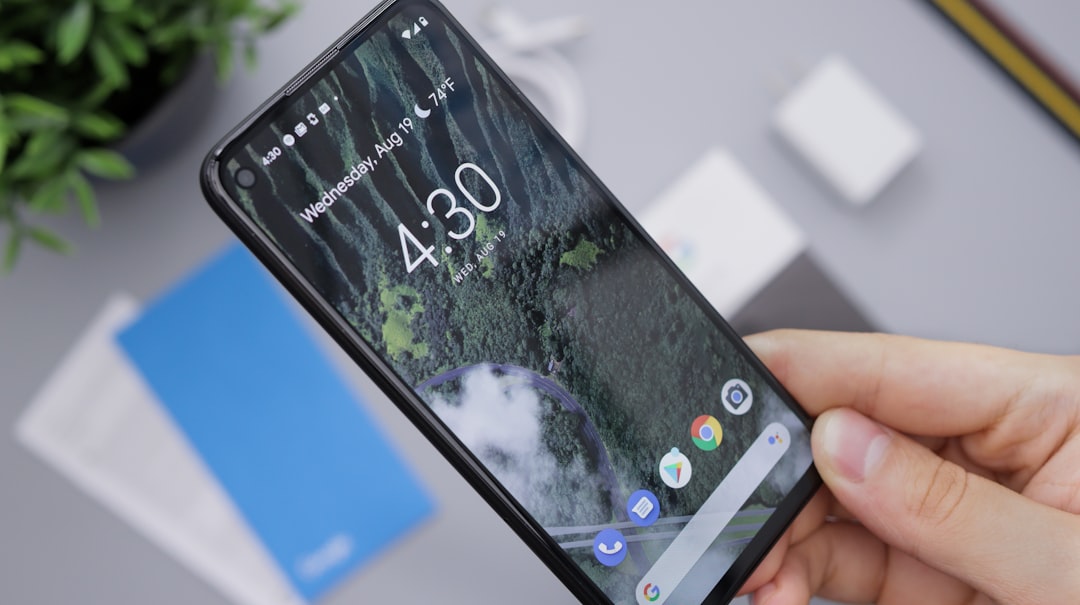
Illinois residents now have a range of tools and resources at their disposal to combat robocalls and spam, ensuring they can enjoy a quieter, more peaceful phone experience. The Illinois Attorney General's Office plays a pivotal role in this regard by offering comprehensive guidance and assistance. They provide detailed information on how to register for the National Do Not Call Registry, a powerful tool that allows individuals to opt-out of marketing calls. This simple step significantly reduces the number of unwanted calls.
Additionally, the office highlights various apps and software designed specifically to block robocalls and spam. Many of these apps use advanced technology to identify and filter out malicious calls, providing users with more control over their phone communications. By combining these resources, Illinois residents can take a proactive approach to silence unwanted callers, including law firm robocalls, and reclaim their personal space from intrusive marketing efforts.