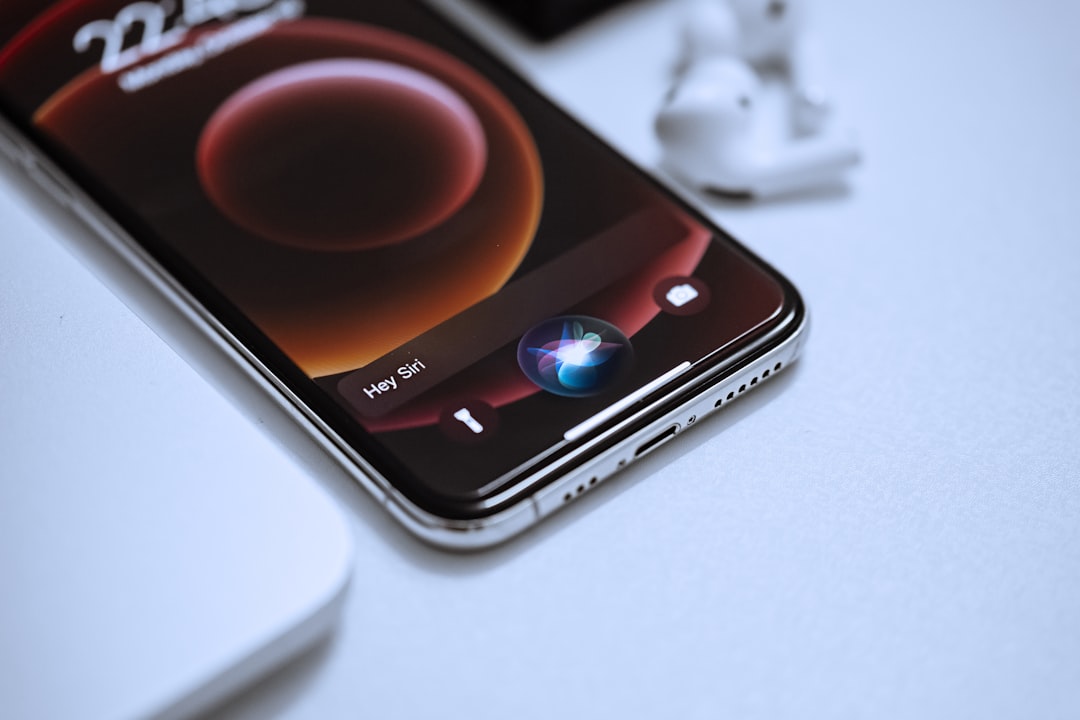
Robocalls are a major nuisance in Illinois, with strict state laws targeting fraud and identity theft risks. Residents can protect themselves using call-blocking tools and the Do Not Call list. Consulting a robocall Attorney Illinois is crucial for legal guidance on blocking software settings, especially when dealing with fraudulent or persistent calls. Advanced technologies like machine learning and big data analytics are emerging to combat robocalls alongside legal frameworks, offering comprehensive solutions for individuals and businesses.
Robocalls remain a pervasive and increasingly frustrating problem for residents across Illinois. These automated phone calls, often carrying pre-recorded messages or live sales pitches, can be particularly relentless in the era of digital connectivity. As technology evolves, so do the tactics of telemarketers and scammers, making effective blocking mechanisms crucial. This article delves into cutting-edge tools designed to combat robocalls, providing Illinois residents with much-needed relief from these unwanted intrusions. With expert insights and practical solutions, we empower folks to take control of their phone lines and protect themselves from malicious or intrusive calls, backed by the expertise of a robocall attorney Illinois relies on for guidance.
Understanding Robocalls: Illinois Law and Protection

Robocalls have become a pervasive nuisance across Illinois, with millions of residents receiving unsolicited automated calls daily. While many people view these calls as a pesky interruption, they can also be a significant source of fraud and identity theft. Understanding the nature of robocalls and the legal framework surrounding them is crucial for consumers seeking protection. In Illinois, robust laws have been enacted to combat this issue, offering residents valuable safeguards against intrusive and potentially harmful automated calls.
Illinois law, exemplified by the Illinois Consumer Fraud and Deceptive Business Practices Act, strictly regulates the use of automated dialing systems. These regulations aim to protect citizens from deceptive practices, including robocalls that mimic local numbers, a technique known as “spoofing.” The state’s Attorney General has actively pursued legal action against companies engaging in such practices, demonstrating a strong commitment to consumer rights. For instance, recent settlements have resulted in substantial fines and required these businesses to implement stricter call-tracking systems, enhancing transparency.
To combat robocalls effectively, Illinois residents can take proactive measures. One crucial step is to register on the state’s Do Not Call list, which filters out many automated calls. Additionally, utilizing call-blocking apps or software designed to detect and block robocalls can significantly reduce unwanted traffic. Consulting a robocall Attorney Illinois can also be beneficial for those facing persistent or fraudulent calls, as legal experts can guide them through available options, including seeking damages if necessary. By combining technological solutions with legal awareness, Illinois residents can reclaim control over their communication channels.
Identifying and Blocking Automated Calls Legally

In Illinois, as across the nation, robocalls have become a persistent nuisance, with millions of automated calls inundating consumers daily. While many tools offer basic protection against these unwanted calls, identifying and blocking robocalls legally requires a nuanced understanding of federal and state regulations. A robocall attorney in Illinois can provide invaluable guidance on navigating these complex laws.
The Telephone Consumer Protection Act (TCPA) serves as the cornerstone of U.S. legislation aimed at curbing excessive robocalling. This law prohibits automated calls from using prerecorded messages without prior express consent, with exceptions for specific types of communications like political messages or calls from non-profit organizations. In Illinois, where the Attorney General’s office actively enforces the TCPA, a legal expert can help businesses and individuals discern legitimate calls from illegal robocalls. For instance, distinguishing between a targeted marketing campaign and a robocall invasion requires an understanding of consumer consent and opt-out mechanisms.
Practical strategies for blocking robocalls include utilizing automated call-blocking software that detects patterns indicative of automated dialing systems. These tools learn to identify and block robocalls while allowing legitimate calls from human operators. However, it’s crucial to consult with a robocall attorney in Illinois to ensure compliance with the TCPA when deploying such technology. They can advise on settings and protocols that align legal protections with robust blocking measures, fostering an environment where consumers are protected without impeding genuine business communications.
Top Tools for Robocall Prevention in Illinois

In Illinois, as across the nation, robocalls have become a pervasive and frustrating nuisance. With advanced technology, these automated calls can bypass traditional blocking methods, necessitating more sophisticated solutions. Robocall Attorney Illinois and cybersecurity experts recommend several cutting-edge tools designed to effectively combat this growing issue. One of the most promising advancements is the implementation of machine learning algorithms that can analyze call patterns and predict robocalls with impressive accuracy. These systems adapt over time, becoming increasingly efficient at identifying and blocking malicious calls.
Another effective approach involves using specialized software that utilizes dynamic number blocking. This technology not only blocks known robocallers but also monitors caller behavior in real-time, automatically updating blocking lists as new threats emerge. For instance, some applications can detect unusual call patterns or suspicious activity, flagging these for manual review by a robocall Attorney Illinois expert who can then take appropriate legal action. Additionally, advanced voice recognition and artificial intelligence (AI) technologies are being integrated into call-blocking apps, enabling them to identify specific individuals or entities known for making unsolicited calls, further enhancing their effectiveness.
Beyond technological solutions, robust legal frameworks play a crucial role in combating robocalls. A robocall Attorney Illinois can guide individuals and businesses on navigating the complexities of existing laws, ensuring compliance while protecting their rights. Proactive measures include registering phone numbers with national “Do Not Call” registries and utilizing legal deterrents to discourage unauthorized automated calling campaigns. By combining advanced tools with expert legal counsel, Illinois residents can take a multi-faceted approach to blocking robocalls, enhancing their privacy and peace of mind in today’s digital landscape.
Consulting a Robocall Attorney: Your Legal Advantage
In today’s digital age, robocalls have become a ubiquitous and often frustrating aspect of daily life for many Illinois residents. While technological advancements offer cutting-edge tools to combat these unwanted calls, one strategic element is frequently overlooked but can significantly enhance your defenses—consulting a robocall attorney in Illinois. These legal professionals are equipped with not only the knowledge of state laws governing robocalls and telemarketing practices but also the expertise to navigate complex legal landscapes.
A robocall attorney in Illinois plays a crucial role in empowering individuals and businesses to protect their rights. They can assist in identifying and tracking down the sources of these calls, providing evidence of illegal telemarketing activities. For instance, Illinois has strict regulations regarding do-not-call lists and consent for automated phone calls, and a robocall attorney can help you understand and enforce these rights. They may also advise on strategies to block specific numbers, set up advanced call blocking systems, and even seek legal remedies if your privacy has been invaded due to repeated robocalls.
Moreover, these attorneys can offer tailored advice based on the type of robocalls received. Whether they are marketing calls, political messages, or fraudulent schemes, each category comes with unique legal implications. For example, a recent study by the Federal Trade Commission (FTC) revealed that Illinois residents reported one of the highest rates of scam call complaints nationwide. A robocall attorney can help you interpret these trends, protect yourself from potential scams, and take proactive measures to safeguard your personal information. By combining technical tools with legal expertise, individuals in Illinois can more effectively combat robocalls and reclaim control over their communication channels.
Beyond Blocking: Comprehensive Robocall Management Strategies
In Illinois, as across the nation, robocalls have become a pervasive and frustrating nuisance, with millions of unwanted calls flooding phone lines daily. While blocking tools offer a basic level of protection, cutting-edge strategies are now available to provide comprehensive robocall management for both individuals and businesses. These advanced solutions go beyond simple blocking, employing sophisticated technologies and legal frameworks to mitigate the impact of automated calls effectively. For instance, machine learning algorithms can analyze calling patterns, identifying legitimate calls from spam with remarkable accuracy, reducing false positives and ensuring important messages aren’t blocked unnecessarily.
Robocall attorneys in Illinois play a pivotal role in this evolving landscape, guiding clients through a complex web of legal options and regulatory frameworks. They assist in navigating the Telephone Consumer Protection Act (TCPA), which provides significant protections for consumers from unwanted telemarketing calls. These legal experts can help businesses implement best practices to minimize robocall occurrences while teaching individuals how to leverage consumer rights effectively. For example, registering phone numbers with national Do Not Call registries and utilizing advanced call-blocking apps are practical steps that empower users to reclaim control over their communication channels.
Furthermore, robust communication networks are leveraging big data analytics to create dynamic blocking systems. By analyzing vast datasets of calling behavior, these platforms can predict and block high-risk robocalls before they reach recipients. This proactive approach ensures a smoother user experience, especially for those prone to receiving excessive spam calls. As the battle against robocalls continues, staying informed about emerging technologies and legal protections is essential for Illinois residents and businesses alike, fostering a more secure and peaceful digital environment.